What Could Cause a Dental Bridge to Fail?
November 4, 2025
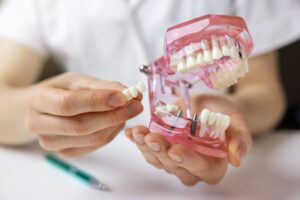
A dental bridge is a reliable, long-lasting way to replace missing teeth, restore your smile, and improve everyday functions like chewing and speaking. While bridges are designed to be durable, they aren’t indestructible. Understanding what can cause a dental bridge to fail can help you protect your restoration and ensure it lasts as long as possible. Here are some of the most common factors that lead to bridge failure and how you can avoid them.
Decay in the Supporting Teeth
A dental bridge relies on the health and strength of the teeth that anchor it, known as abutment teeth. If these supporting teeth develop decay, the stability of the entire bridge is compromised. Cavities often form around the edges of the crown that holds the bridge in place, especially if plaque builds up in hard-to-clean areas. Good oral hygiene—including brushing twice daily, flossing around and under the bridge, and keeping up with dental cleanings—is essential for preventing decay and keeping the structure strong.
Gum Disease and Bone Loss
Healthy gums and jawbone are critical for maintaining a secure dental bridge. Gum disease can cause inflammation, recession, and bone loss around the abutment teeth. When the bone weakens, those teeth may loosen, jeopardizing the bridge’s stability. Early gum disease (gingivitis) is reversible, but advanced gum disease (periodontitis) can lead to permanent damage. Regular dental checkups and proper brushing and flossing are key to keeping your gums healthy and preventing issues that may weaken the foundation of your bridge.
Excessive Bite Pressure or Teeth Grinding
Clenching or grinding your teeth—whether due to stress, misalignment, or sleep bruxism—puts tremendous pressure on your dental bridge. Over time, this can cause fractures, chips, or a loosening of the restoration. If you grind your teeth at night, a custom nightguard can provide essential protection. Similarly, addressing bite alignment issues early can help prevent uneven stress on the bridge and reduce the risk of damage.
Poor Fit or Low-Quality Materials
Even the best home care can’t compensate for a poorly fitted bridge. If the bridge doesn’t sit correctly, gaps may form where bacteria can collect, leading to decay or discomfort. Additionally, cheaper materials may not withstand years of chewing and daily wear. Choosing an experienced dentist and discussing material options—such as porcelain fused to metal or zirconia—helps ensure your bridge is strong, secure, and made to last.
A dental bridge can last well over a decade with proper care, but understanding what causes failure is the first step toward prevention. By maintaining excellent oral hygiene, protecting your bite, and seeing your dentist regularly, you can extend the life of your bridge and keep your smile healthy.
About the Practice
Are you looking to bridge the gap in your smile? You can trust Gerome & Patrice Family Dentistry for high-quality, strong restorations. Our dentists can restore your grin’s appearance and balance plus prevent dental drift and reduce your risk of gum disease. And when it comes to payment, you can earn 15 percent off with a membership plan and also rest assured that your insurance benefits will be maximized. Need to spread out payments? We have flexible financing. Go ahead, schedule your appointment through our website or call (513) 677-1349.