

Dentures & Partials – Loveland, OH
Affordable Solutions to Severe Tooth Loss
At Gerome & Patrice Family Dentistry, we want our patients to have access to various treatments to ensure personalized service. With dentures and partials, we can help improve your confidence and oral function by replacing missing teeth. When you lose teeth, your self-esteem fades, and you can’t chew, speak, or laugh like you used to. Dentures and partials in Loveland, OH offer a solution to this problem.

Why Choose Gerome & Patrice Family Dentistry for Dentures & Partials?
- Partial Dentures Ideal for Several Missing Teeth
- Full Dentures Help You Replace an Entire Arch
- Combine Them with Dental Implants for a Longer-Lasting Solution
Who’s a Good Candidate for Dentures?

Whether you have a single missing tooth or multiple ones, dentures are a viable option for almost everyone. Becoming a suitable candidate for this treatment doesn't require much, but it's important to consult with our team to determine whether or not it’s a good option for your specific case. We’ll evaluate your smile and consider various factors. If they are not an ideal solution for you, we can potentially improve your candidacy by addressing and healing your gum tissue and bone structure. For more insight, continue reading or contact our office!
Effects of Missing Teeth
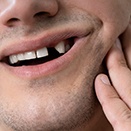
If you’re considering dentures in Loveland, it’s important to understand why people lose teeth and what happens afterward. People lose teeth for several different reasons, such as decay, gum disease, or accidents. No matter why it happens, the effects are usually the same.
Missing teeth can make it challenging to speak, eat, and smile. Failing to address the gaps in your smile can even weaken your jawbone, leading to more serious issues like facial collapse and further tooth loss. Luckily, dentures can help fix these problems and improve your smile.
What Qualifies You for Dentures?

As mentioned earlier, most people qualify for dentures simply by having missing teeth. However, there are other important factors to take into account. Consider your oral health, for example. Dentures can replace not only your missing teeth, but also those that are decaying. Additionally, having healthy gum and jaw tissues is essential to be a suitable candidate. Otherwise, your mouth wouldn't have the strength to support dentures.
The number of missing teeth matters too. Depending on how many teeth are gone, you may need either a partial denture, which is ideal for replacing a few teeth, or a full denture if all the teeth along an arch are missing. Your financial situation is another crucial consideration. Dentures are generally more affordable than other options, making them a good choice if you're on a budget.
Alternative Tooth-Replacement Options

If dentures aren't the right option for you, don't worry – we have alternative solutions available. Here are two other procedures you may want to consider:
- Dental Bridges – A dental bridge is a fixed restoration composed of crowns fused to a pontic. It relies on neighboring teeth for support, making it suitable for patients missing one or a few teeth.
- Dental Implants – Unlike dentures or bridges, dental implants are prosthetic teeth placed in your jawbone. Made of titanium, they fuse with your jaw over time, providing a secure and permanent solution. Keep in mind that dental implants tend to be pricier compared to other alternatives due to their durability and longevity.
How Dentures are Made

Some patients are surprised to learn that it can take a few appointments over the course of a couple of weeks to be fitted with dentures. However, this wait time is because your new teeth are carefully customized at each stage of their creation to fit comfortably and look as lifelike as possible for optimal results.
Continue reading to learn more about how dentures are made so you can appreciate your new restoration that much more!
What are Dentures Made Of?
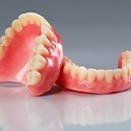
Are you wondering what these prosthetics are usually made from? Dentures typically contain two main components, the base and the artificial teeth, which are outlined below with additional details:
- The base. This is the foundation of your restoration and provides its structure shape. It can potentially be made from different materials, such as nylon, porcelain, or resin, but most often it’s made from gum-colored acrylic. Partial dentures also often include metallic clasps that clip to healthy teeth in your mouth to remain in place.
- The pontics (teeth). The artificial teeth are usually made from resin or porcelain, though the latter is the standard choice because of its durability. However, it can sometimes be hard on the enamel of neighboring teeth, so it might not be suggested for partial dentures.
The Denture Creation Process
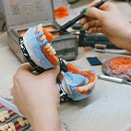
It’s natural to feel curious about the step-by-step process of how your new teeth are made. Read on for more detailed information!
Step #1: Our team will make impressions of your arches and send the information to a special dental laboratory to create a model of your mouth to ensure your dentures will fit correctly.
Step #2: A lab tech starts the process by creating a wax version of your gum line.
Step #3: Artificial teeth are set in place using a mechanical device called an articulator, and the wax is shaped and carved to resemble your natural tissues.
Step #4: This wax version is returned to our office so we can schedule you for a fitting. We’ll note any adjustments that may be required and send the restoration back to the lab to be completed.
Step #5: A technician places the dentures in a flask and pours plaster inside to maintain their shape. Then, the entire container is placed in hot water to melt away the wax portions.
Step #6: A liquid separator is added to the plaster, and acrylic is injected to replace the wax.
Step #7: The plaster is removed to reveal the dentures, and then they are placed in an ultrasonic bath for a thorough washing.
Step #8: Any excess acrylic is trimmed away and your new teeth are polished to perfection.
Step #9: Your dentures will be delivered to our location, and we’ll schedule a final fitting before sending you home with a beautifully restored smile!
Adjusting to Your New Dentures

It can take your tongue and the other sensitive tissues in your mouth about a month to fully acclimate to your prosthetics. You might develop a lisp or slur, or struggle to bite or chew food comfortably, during this time.
You can help ease this transition by sticking with softer foods that are easier to consume for a little while, like eggs, applesauce, yogurt, or blended smoothies. You can also practice reading out loud to yourself at home to rehearse troublesome sounds, words, or phrases until you feel more confident in your enunciation.
The Benefits of Dentures

Both full and partial dentures are removable dental prosthetics that will be custom-made just for you. They have evolved over time to look very natural and fit very comfortably. Today’s dentures and partials are a reliable and attractive option for tooth replacement. They can also be very affordable, but there are many other advantages to restoring your missing teeth that simply can’t be quantified.
Psychological Benefits

When you have noticeable gaps from lost teeth, you may wish to hide your smile from others, but smiling is both the cause and effect of being happy. In fact, studies have shown that those who smile often tend to be more content than those who don’t smile regularly. Also, your self-confidence can suffer if you feel embarrassed about your missing teeth, meaning you may not feel comfortable talking or eating around others. Replacing these teeth with a realistic denture can help you have more confidence and help you feel better about yourself.
Clearer Enunciation

Certain sounds in many languages require the use of teeth. Many who have lost teeth find that communication becomes more difficult, which can be isolating. However, dentures enable you to speak clearly and be more easily understood.
Improves Nutrition

The list of soft foods you can eat without functional teeth is limited. In many cases, those with tooth loss choose more processed foods because they are easier to eat, but they can have a devastating impact on their overall health. Replacing your missing teeth allows you to eat more nutritious foods, giving you energy and nutrients your body needs to run as smoothly as possible.
Preserves Oral Health

Do you still have some natural teeth left in your smile? A partial denture substitutes for missing teeth while keeping these natural ones in their aligned positions. Without dentures, these teeth shift, increasing the risk of additional loss and impairing the bite.
An additional benefit of implant dentures is that they stop jawbone deterioration, which comes from losing natural tooth roots. With implants attached to the jawbone, your facial structure and jawline can remain strong and youthful.
Expands Opportunities

No matter what age or stage of life you’re in, you have opportunities for growth. You could meet a romantic partner, apply for a better job, meet new friends, or do any number of other things involving other people. However, your opportunities can be limited because of the stigma of tooth loss. But a custom denture and full, confident smile can reopen doors for you.
Can Dentures Work with Dental Implants?
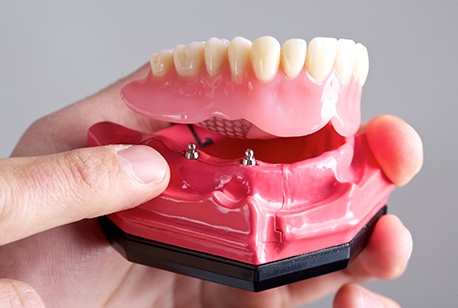
Dentures can also be crafted to fit onto dental implants. While some might worry that traditional dentures would slip or feel loose, implant-supported dentures snap into place onto specially designed implants. This gives you a little extra confidence when wearing your dental prosthetic. If you’re interested in an implant-retained denture, we can discuss this option with you as well.
Can Dentures be Customized to My Preference?
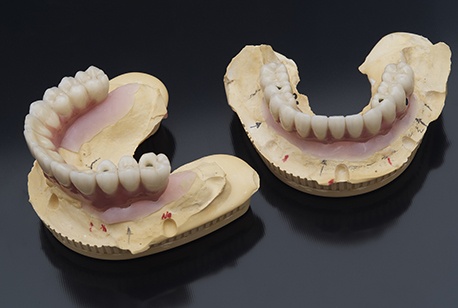
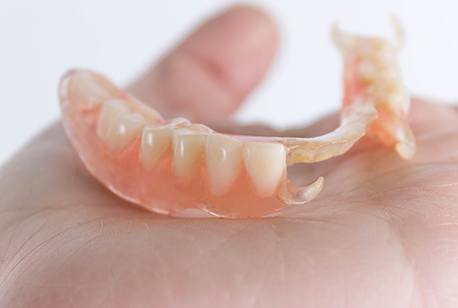
Partial dentures can replace one or a few missing teeth when there are still some remaining teeth. Sometimes these removable dental prosthetics involve a metal frame that can clasp onto your natural teeth for support. We also have metal-free options that can be used in certain situations.
Understanding the Cost of Dentures

Nothing should stand in your way of a complete smile, not even the cost of dentures in Loveland. You might have heard they are expensive, but dentures are more affordable than you might realize. Although there’s not a flat rate for a new set of teeth, we strive to keep dentures within everyone’s budget. Your dental team will discuss our various financial options to replace your missing teeth without costing you an arm and leg.
Factors that Affect the Cost of Dentures

No two smiles are the same, so there’s not a one-size-fits-all denture. As a result, several factors affect the cost of your new smile, such as:
- Type of denture
- Severity of tooth loss
- Number of arches being treated
- Preparatory procedures
- Materials
You have a lot of options to achieve the exact smile you want, but don’t feel overwhelmed. When considering the cost, the price tag shouldn’t be your focus. Although discounted dentures in Loveland are available, they’ll cost you more in the long run because you’ll get what you pay for. Instead, your dentist will help you choose the best materials for a long-term investment.
Are Implant Dentures More Expensive?

Yes, implant dentures are initially more expensive than traditional treatments, but for good reason. Conventional dentures only last for 5-7 years before needing to be replaced. An implant denture can thrive for 30 years or longer with the right aftercare. You’ll save money down the road because you won’t need to buy replacements. Not to mention, the implants will replicate the roots of your teeth to improve your oral health. You’ll avoid added dental expenses in the future using a method that can last for a lifetime.
Does Dental Insurance Cover Dentures?

Every policy is different, but most dental insurances can be used to offset the cost of dentures in Loveland. Although your benefits may not cover the entire amount, your plan can lower your out-of-pocket expenses for certain aspects of your treatment, like the consultation, tooth extractions, or restorations. After your annual deductible, your benefits can pay up to 80% of the cost until reaching your yearly limit. We know dental insurance is confusing, but you won’t have to navigate your policy alone. A member of our team will maximize your dental benefits to keep a beautiful smile within your budget.
Other Options for Making Dentures Affordable

Besides working with many dental insurances, we offer other solutions to keep dentures affordable, including:
- Traditional Payment Methods: Our office accepts cash, checks, and credit cards.
- Third-Party Financing: You can pay for your dentures using monthly installments based on your credit approval.
- Membership Plan: We offer an in-house savings plan for families and individuals. You’ll enjoy discounted services after a low monthly fee.
If you have any questions about your dental insurance or payment options, don’t hesitate to contact our office. A member of our team will answer your questions and ease any concerns, so you can feel confident while on your journey to a complete smile.
Dentures Aftercare
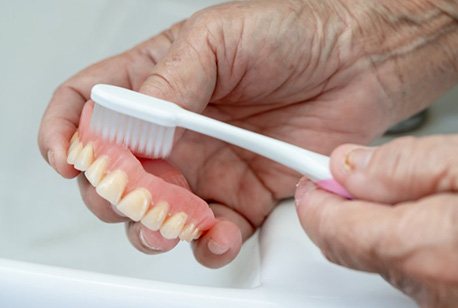
Like other dental restorations, dentures benefit from regular care and maintenance. They’ll last longer, look more aesthetically pleasing, and feel more comfortable on your gums. But there’s an even better reason to closely follow denture aftercare instructions: it’ll help you avoid unpleasant oral conditions! Bacteria can accumulate on (and underneath) dentures just as easily as natural pearly whites, so it’s important to build consistent cleaning habits.
Removable Dentures
Remove After Eating
We recommend removing and rinsing your dentures after every meal. A couple of extra seconds will dislodge loose food particles, mitigating the amount of bacteria build up that can occur during everyday eating.
Clean Your Restoration
In addition to these quick rinses, your dentures will also have to be cleaned more thoroughly at least once a day. This means taking them out and brushing them gently with a soft-bristled toothbrush and hand soap. Note that hot or boiling water could warp the plastic, so it’s best to keep the temperature luke-warm.
Keep Your Dentures Safe
Accidents do happen, and they’re not always preventable. However, you can reduce the risk of breaking your dentures from dropping or losing them by keeping them in a secure place whenever they’re not in use. To protect them during cleanings, lay a soft towel out over your sink or countertop. That way, if you accidentally lose your grip, their fall will be cushioned.
Remove When You Sleep
Before turning in for the night, leave your dentures in an approved cleaning solution for a soak. This will do a couple of things for you, including:
- Making your dentures easier to clean in the morning
- Sanitizing the harder-to-reach areas of your restoration
- Letting your gums breathe and circulate
- Reducing the potential bacteria content in your mouth while you sleep
Notice Changes
Your facial structure and the shape of your gums may change over time. When this happens, dentures become ill-fitting, and you’ll likely experience increased slippage and discomfort. Paying attention to these changes empowers you to contact us while the fit of your dentures can still be adjusted, potentially saving you from needing a complete replacement.
All-on-4 Dentures

Since all-on-4 dentures are fixed in place and cannot be taken out, this restoration requires different care than the average denture. Your routine should look something like this:
- Brushing your smile twice-daily with a soft-bristled toothbrush and fluoride toothpaste
- Flossing at least once per day
- Cleaning the space between your restoration and gums with a sulcus brush
- Rinsing your mouth daily with a non-alcoholic mouthwash
Dentures FAQs
What Can’t You Eat with Dentures?
Dentures are incredibly durable, but they aren’t indestructible. To prevent chips, cracks, and other damage, you’ll be expected to avoid nuts, popcorn, apples, carrot sticks, and other hard foods. Sticky products, like peanut butter and gummy candies, are also off-limits since they can pull on your dentures, making it difficult to chew. Lastly, foods that are especially chewy, like tough meat, should be avoided since they place immense pressure on your dentures.
Can I Sleep with My Dentures?
In short, the answer is yes. However, it’s best to take them out while you sleep for a few reasons. To start, dentures restrict blood flow to your gums, resulting in unpleasant consequences like soft tissue irritation. Taking them out at night gives the soft tissue in your mouth a rest. Second, placing your dentures in a cleaning solution as you sleep will keep them bacteria-free and ensure they are clean and ready for use by morning!
Will It Hurt to Get Dentures?
Since many patients are hesitant to get dental work done because they are worried about the discomfort, it’s not surprising this is one of the most frequently asked questions. Fortunately, if this is something you’re worried about, you’ll be happy to know that our dentists in Loveland go above and beyond to make the entire process as pain-free as possible. If you need to have teeth extracted, a numbing agent will be used before the procedure and you’ll be given prescribed pain medication afterward. Once you’ve received your dentures, you may experience some minor irritation as your mouth adjusts to the new appliance. Fortunately, you can use over-the-counter pain medication, stick to soft foods, and apply a cold compress to the area to minimize soreness.
Is It Hard to Talk with Dentures?
If you’ve never had dentures before, then you may experience a learning curve. Remember: practice makes perfect. Try reading aloud and practicing the more difficult words (like “sixty”) repeatedly to speed up the process. To prevent your dentures from shifting out of place, try biting down and swallowing before you begin to talk. Have patience and take it slow at first. Before you know it, you’ll be talking clearly and quickly again!
Am I Too Young to Get Dentures?
Oftentimes, patients assume that dentures are reserved for seniors, but that’s not the case! After all, the National Center for Health Statistics recently reported that 33% of adults between the ages of 20 and 39 and 66% of adults between the ages of 40 and 64 are struggling with tooth loss. If you fall into either of these categories, then there’s a good chance that we can restore your complete, confident smile with dentures!
Should I Have All My Teeth Pulled to Get Dentures?
Are the remaining teeth that you have healthy? Can they be saved with a less invasive restorative treatment, like a tooth-colored filling or crown? If the answer is “yes,” then we won’t extract them just because you’re getting dentures. Of course, if your natural teeth are damaged beyond the point of repair, then that’s a different story. In that case, we will have them removed before beginning the process of creating your custom restoration.
How Can I Reduce the Cost of Dentures?
If you are interested in addressing tooth loss with dentures in Loveland, but you have some concerns about the cost, then you should schedule a consultation at our office! That way, we can learn a little more about your dental needs, determine if this is the ideal tooth-replacement solution for you, and, if it is, create your custom treatment plan. Then, we can provide you with a price estimate and discuss the different financial solutions that are available, from dental insurance to flexible financing.
Why Do My Dentures Smell?
Usually, an unpleasant odor is due to plaque, food particles, and other bacteria that are stuck in the nooks and crannies. So, try using a damp, soft-bristled toothbrush and clear, mild dishwashing liquid to gently scrub the entire surface. Then, soak them for 15 minutes or so in a dentist-approved cleanser. If they continue to smell, then get in touch with our team at Gerome & Patrice Family Dentistry.
Do Dentures Break Easily?
Dentures are crafted from only the best dental materials. With that said, like your natural teeth, they can break with enough force. For this reason, we recommend taking certain precautions, like cleaning them over a soft towel or a sink filled with water.
Important reminder: If your dentures do break, you should NOT use superglue or any other household adhesives to try to piece them back together. Instead, you should call our dental office right away so we can get the ball rolling on having them repaired or replaced.
Contact Our Dental Office Today to Learn More!
If you would like to learn more about dentures and partials, contact our dental office for an appointment with Dr. Gerome or Dr. Patrice. Through our personalized dental care, we’ll help you find the tooth replacement option that works best for you.