

Dental Bridges – Loveland, OH
Bridge the Gap in Your Grin
No one wants to be missing a tooth, but thanks to modern restorative dentistry you always have several smile solutions. When you are missing one or a few consecutive teeth but your teeth on either side of the gap are healthy, a dental bridge definitely merits consideration. At Gerome & Patrice Family Dentistry, count on our dentists to bridge the gap in your grin to restore its appearance and balance, plus this new addition will prevent dental drift and reduce your risk of gum disease. Contact your dentist in Loveland to schedule a consultation !

Why Choose Gerome & Patrice Family Dentistry For Dental Bridges?
- High-Quality, Strong Restorations
- Get 15% Off With Membership Plan
- Dental Insurance & Flexible Financing
What Is a Dental Bridge?

Dental bridges are designed to help patients who are missing one tooth or several teeth in a consecutive row. An alternative to partial dentures, this tried-and-true tooth-replacement solution uses dental crowns or dental implants to secure the pontics (free-standing replacement teeth) in place. Since the materials used are available in a wide range of lifelike shades, modern dental bridges fill the gap in your smile seamlessly. Plus, they are incredibly durable, ensuring your bite doesn’t suffer either!
Types of Dental Bridges
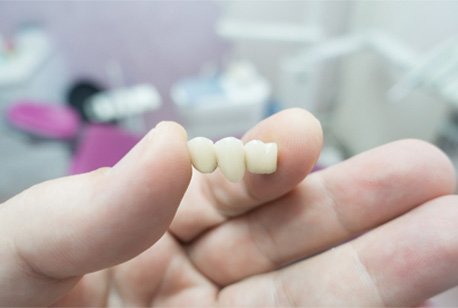
The first step to regaining your primetime grin is a consultation with our experienced dentist . They’ll conduct an oral examination, ask about your goals, and review your medical history. Based on their findings, one of the following treatment options will be recommended:
Traditional Dental Bridge
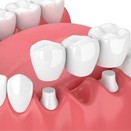
A traditional dental bridge can replace a single missing tooth or several teeth in a row. This restorative treatment requires you to have a natural, stable adjacent tooth in front of and behind the space that you’re wanting to fill in. Essentially, we’re “bridging the gap” by making a single unit of three or more teeth.
Implant Bridge
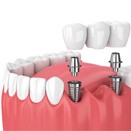
As the name implies, an implant bridge uses dental implants as opposed to crowns. The implants are placed on either side of the gap in your smile, and after they’ve fused with the jawbone, we’ll be able to attach the dental bridge to the implants to replace two or more missing teeth. Considered the strongest and most stable system, an implant-supported bridge requires surgery to embed the implants into the jawbone. Your time invested in this option will pay off in the quality of the result!
The Benefits of Getting a Dental Bridge

When you replace your missing teeth with a dental bridge in Loveland, you can expect to enjoy an array of benefits including:
- Maintained alignment of your existing teeth
- Improved oral health
- Easy cleaning and maintenance
- Jawbone preservation with implant bridges
- Long-lasting results (15 years with traditional & 35+ with implant-supported)
- Natural-looking smile
Dental Bridges FAQs
Can You Take a Dental Bridge Out?
No, your dental bridge is designed to remain in place in your mouth for many years after placement. You should not be able to remove it on your own. Only your dentist should do this if and when necessary.
Some healthcare providers may refer to a partial denture as a “removable bridge,” however, this is not exactly accurate. Partial dentures are very similar to dental bridges, but one of their main differences is that partials can be removed by the patient at any time, while dental bridges cannot.
How Many Teeth Can a Dental Bridge Replace?
Depending on your individual needs, a dental bridge can be used to replace anywhere from one to four missing permanent teeth in a row. However, in most cases they are used to replace just one or two missing teeth.
That’s because the longer your dental bridge extends, the less stable it may become, especially if your natural teeth supporting it aren’t strong and healthy. Thus, it may become too risky to have a bridge replace more than three teeth.
Implant bridges can reduce the risk of this occurrence, as dental implants are just as strong and secure as natural teeth, if not more so!
Can Dental Bridges Get Cavities?
Because it is a prosthetic, it is technically impossible for a dental bridge to develop cavities, however the natural abutment teeth underneath it still can.
Food debris can become trapped underneath the pontics or in the spaces where the crowns meet your gums, attracting harmful oral bacteria that could cause cavities or gum infections.
This is more likely to occur if you have poor oral hygiene habits, which is why it’s imperative that you clean under and around your dental bridge daily.
When your dental bridge is nearing the end of its lifespan, the cement holding it in place could begin to crack. This can allow bacteria to enter the cracks, leading to infection or decay in your underlying teeth.
Are Dental Bridges Covered by Insurance?
The short answer to this question is yes. However, the level of coverage can vary depending on your provider and plan.
Most dental insurance plans consider dental bridges to be a major procedure. As such, they’ll typically cover between 40 to 50 percent of the cost. However, this is not guaranteed, and you will likely have to have met your deductible first and not exceeded your annual maximum.
At Gerome & Patrice, we are committed to helping make your dental care affordable, which is why we are happy to not only accept payment plans from CareCredit, but we also proudly offer our own in-house membership plan that provides discounts on treatments performed in-office. Please reach out to our office for more information about these options.
How Long Do Dental Bridges Last?
With proper care and maintenance, dental bridges typically last between 10 and 15 years, and in many cases, they can last even longer. The lifespan of your bridge depends on several factors, including things like the location of the bridge in your mouth, your oral hygiene habits, and your diet. To maximize the lifespan of your bridge, it’s essential to brush twice daily, floss carefully around it, and attend regular dental check-ups. Avoiding habits such as chewing ice, grinding your teeth, or biting your nails will also help preserve your restoration and prevent damage.
Will People Be Able to Tell That I Have a Dental Bridge?
In most cases, a dental bridge is virtually indistinguishable from your natural teeth. Modern bridges are made using high-quality materials such as porcelain or acrylic, which are carefully color-matched to the shade of your surrounding teeth. Plus, Dr. Gerome, Dr. Patrica, and our team will take precise impressions and measurements to ensure your bridge fits seamlessly within your smile, both in terms of appearance and bite alignment. The result is a restoration that looks, feels, and functions just like a natural tooth, whether you are smiling, laughing, or speaking.
Does It Hurt to Get a Dental Bridge?
Rest assured, getting a dental bridge in Loveland is not painful! Before any work begins, our team will numb the area completely, ensuring you remain comfortable throughout the appointment. You may feel some pressure or vibration during the treatment, but you should not experience any sharp pain. After the anesthetic wears off, it’s normal to have some mild sensitivity or soreness for a few days. This discomfort is typically manageable with over-the-counter pain relief and tends to resolve quickly. If you do experience significant or prolonged pain, don’t hesitate to contact our office!
What Can I Eat with a Dental Bridge?
Once your dental bridge is placed and you have adjusted to it, you’ll be able to enjoy most of the foods you love. However, it’s best to avoid very hard or sticky foods, such as hard candies, ice cubes, caramel, or chewy sweets, as these can place excessive stress on the bridge or cause it to become dislodged. Cutting harder foods like raw vegetables, crusty bread, or meat into smaller pieces before chewing can also help reduce pressure on the bridge. And during the initial adjustment period, sticking to softer foods is wise as you get used to the feel of your new restoration.